Packaging has never been just a container. From the very beginning, humans have sought ways to preserve and protect food, but today packaging can do much more: convey sensations, tell stories, and transform every interaction with the product into a memorable moment.
How does a functional package transform into a tool capable of evoking emotions, building loyalty, and surprising the customer?
To fully understand how emotional food packaging influences the customer experience, we will analyze its main aspects in six key points: from concepts and materials to colors, customization, and sustainability. Following this path, you will see how every detail contributes to creating emotions and lasting bonds with the consumer.
1. What is packaging that creates experiences
Emotional packaging is not just meant to protect the product: it communicates values, identity, and brand promises, turning every interaction into a memorable experience.
An example is the Nutella limited edition Valentine’s Day, where the packaging conveys affection and sharing: colors, graphics, and messages create an experience that goes beyond mere consumption of the product.
2. Types of packaging and emotional materials
To create an effective sensory package, the type and material are also fundamental. There are three main levels:
- Primary: the packaging in direct contact with the product
- Secondary: boxes or bundles that organize multiple products
- Tertiary: packaging for transport and logistics
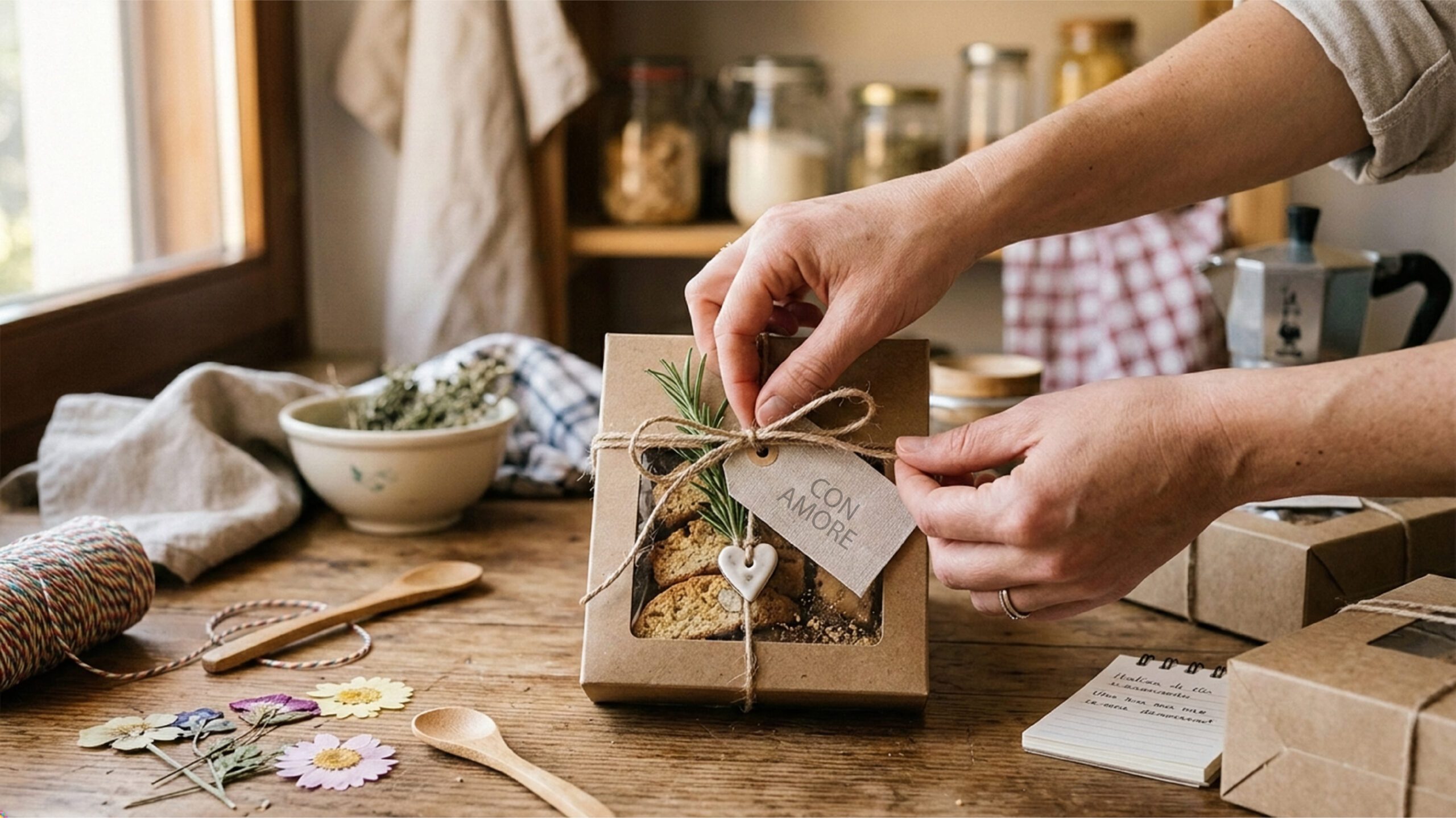
Materials like frosted glass or cardboard with natural textures evoke quality and craftsmanship, while sustainable packaging, such as kraft paper or bioplastics, conveys environmental responsibility, creating a positive connection with the consumer.
3. How design guides perceptions
Packaging design engages all senses: shape stimulates touch and sight, graphics and colors evoke emotions, while texts and storytelling communicate values, positioning, and corporate mission.
Ben & Jerry’s is an emblematic case: messages and graphics tell social stories and corporate values, strengthening the emotional bond with the customer and increasing loyalty.
4. Unboxing as a multisensory experience
The moment of opening is crucial: a package can surprise, delight, or reassure the customer more than one might think.
A concrete example is HelloFresh: each box is organized into compartments, with illustrated recipes and easy-to-open materials. The experience of discovering the contents becomes a memorable moment, reinforcing the perceived value of the brand.
5. Color and customization of packaging
Color is one of the most powerful tools for creating emotional experiences with packaging. Warm tones stimulate appetite and joy, pastel colors convey freshness and sustainability, while black and gold communicate luxury and quality.
If you want to explore how colors influence perceptions and emotions in packaging, read our article on The Importance of Colors in Food Packaging.
The customization of packaging (logos, shapes, and coordinated materials) enhances brand identity, making each product unique and recognizable. This is particularly crucial for delivery, take-away, and communication on social media, where the packaging becomes an integral part of the customer experience.
6. Sustainability, innovation, and trust
Modern packaging is not only about aesthetics or product protection: sustainable materials and innovative design create trust and a sense of responsibility in the consumer, strengthening the positive perception of the brand.
At the same time, concepts of inclusivity and accessibility, such as readable characters, easy openings, clear information, and safe materials, generate feelings of safety, welcome, and attention towards the customer. Integrating these principles into design means bringing the product closer to people, enhancing the experience and strengthening the emotional bond.
To learn more, read our article on Inclusive and Accessible Food Packaging.
These choices enhance the product and consolidate the relationship with the customer, transforming every interaction into a positive and memorable experience.
Emotional food packaging is not limited to surprising or intriguing: it can influence purchase decisions, increase loyalty, and become a strategic tool for distinguishing the brand, transforming the packaging itself into a distinctive, desirable, and accessible element for all customers.
Visit the DOT – HoReCa Solutions shop, a leading company in Italy for modern, emotional, and innovative food packaging.