Packaging for the food sector is no longer just a container, but a bridge between your brand and the customer. In today’s market, logistical efficiency must meet inclusive design: an approach that ensures every individual, regardless of their physical abilities or cultural background, can use the product independently and safely.
Adopting accessible solutions is not just an ethical choice, but a real competitive advantage. It means eliminating barriers that separate your product from the consumer, improving the user experience (User Experience) and building a lasting trust relationship with an increasingly broad and attentive audience.
To transform packaging into a tool for inclusion and accessibility, it is necessary to intervene on four fundamental pillars:
• Physical and cognitive accessibility
it is essential to simplify life for everyone. For those with motor limitations, the use of ergonomic tabs, wide lever caps, and soft-touch non-slip surfaces facilitates gripping and opening with ease. From a visual and cognitive perspective, readability is essential: using sans-serif fonts (minimum 12 pt) and a color contrast ratio of at least 4.5:1 helps the visually impaired and the elderly. The integration of tactile elements or talking QR codes also allows for immediate identification of the content, making the act of consumption a gesture of full autonomy.
• Gender neutral
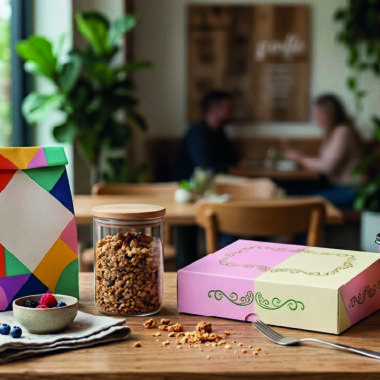
modern design transcends stereotypes and requires a universal aesthetic. Food packaging must, now more than ever, break down gender differences and focus on functionality and visual cleanliness. The use of geometric silhouettes, matte surfaces, and a palette of natural colors (such as sage, sand, or stone gray) convey concreteness, quality, and inclusivity. This approach communicates a message of innovation and respect that resonates with the sensitivities of contemporary consumers, making the selection process more immediate and free from prejudice.
• Environmental sustainability and recyclability
inclusivity goes hand in hand with respect for the environment. A design reduces material waste and facilitates recycling. Solutions like refill formats (reusable) extend the product’s life cycle, while eliminating unnecessary decorations simplifies the disposal process. Using easily separable materials, such as glass or monomaterial plastics, ensures that ease of use never compromises your business’s ecological footprint.
• Cultural connection
inclusive packaging speaks different languages and adapts to various lifestyles. The use of universal icons and multilingual instructions facilitates access to global and multicultural markets. Furthermore, offering modular and flexible formats (like resealable pouches or stackable containers of different sizes) meets the diverse housing and storage needs of customers, ensuring that the product remains fresh and functional in every context of use.
Fully embracing the concept of inclusive and accessible food packaging requires a continuous journey of listening and training. Integrating these solutions into your Horeca supply not only improves the usability of the product but elevates the perceived value of your service.
Do you want to discover how to update your packaging line to make it truly suitable for everyone?
Contact Dot Horeca Solutions for personalized advice on our wide range of products.