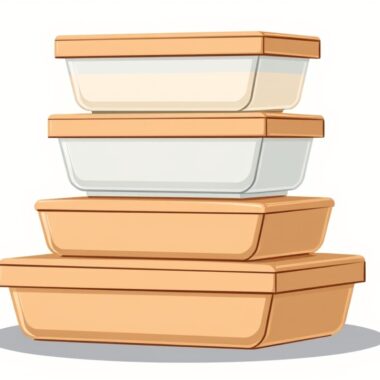
Bagasse comes from plant-based fibers, a natural material that is abundant and was destined for waste. Furthermore, sugarcane is a renewable raw material that can regrow up to three times a year. The use of natural pulp, also known as bagasse, is ideal for combining high-performance packaging with an eco-friendly commitment.
Where does it come from?
Sabert BePulp sustainable solutions are made using pulp from plant-based fibers, an abundant and renewable natural material that was destined for waste. For example, Sabert uses sugarcane bagasse from the sugarcane plant that remains after juice extraction. Sugarcane is a renewable raw material that can regrow up to three times a year.
Natural pulp is recyclable.
PLA Lamination
For extended shelf life, it is recommended to use laminated wood pulp solutions. PLA (polylactic acid) lamination, based on starch, is made from natural, plant-based, and renewable resources.
Advantages of natural pulp
Suitable for both COLD and HOT counter service
Ideal for ultra-fresh storage and transport, up to 2 days
Wet/oily foods are not absorbed
Suitable for hot food counter service up to 120°C*
Microwave only for reheating at max 800 W for 2 min
Suitable for refrigerator and freezer up to -10°C
*Since natural pulp solutions are made with natural fibers, the product may vary depending on application. We recommend testing the solution for your application.
Advantages of laminated pulp
Suitable for both COLD and HOT applications
Extended shelf life: 3 – 6 days.
Better resistance for heavy or wet meals
Usable in the microwave and oven up to 150°C for max 30 min
Suitable for refrigerator and freezer up to -10°C
Top sealable with film
Good leak resistance even for outlet applications