Have you ever thought about how the way we eat has evolved over the centuries? From ancient inns to modern food trucks, the restaurant industry has always been a reflection of the times we live in.
In our era, dominated by practicality and speed, home delivery is a daily occurrence, making food packaging the star of a revolution in our way of consuming food. Knowing the novelties of the sector is crucial to remain competitive and win over an increasingly demanding clientele!
What you will find in this article:
- From functional to aesthetic: all the new forms of packaging
- The technology that revolutionizes packaging
- Characters that make a difference: the latest typographic trends

From functional to aesthetic: all the new forms of packaging
It’s not just what’s inside that makes a difference, but also how it is presented.
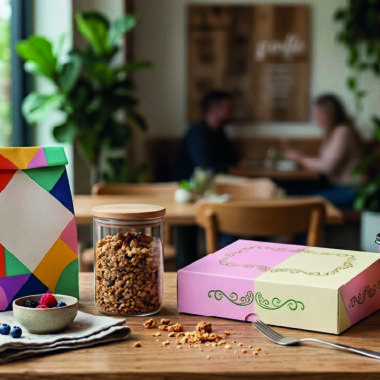
The design of food packaging, with its geometric shapes and visual impact, is the first business card of a product on the shelves, capable of capturing attention and evoking desire in the consumer.
The triumph of bowl poke is undeniable proof that an appealing design can transform a simple dish into a true market phenomenon, capable of influencing our culture.
Another example is salad containers in the shape of an apple or carrot: in this case, the shape of the packaging itself communicates the values of a product, conveying a message of freshness, naturalness, and health.
The shape of a packaging is extremely useful not only at a communicative level but also for the practical use of the product: modular packaging – for example – is an innovative packaging system that uses combinable components, creating different configurations, where you can join and separate pieces according to your needs. Thanks to these features, it is possible to create custom containers for a wide range of products without resorting to expensive solutions. Moreover, being composable allows for space optimization within the container, reducing costs and waste.
A well-studied shape can contribute to improving the consumer experience: some types of packaging are designed with openings, folds, or detachable parts, making the moment of opening the container more memorable.
The technology that revolutionizes packaging
Food packaging is becoming increasingly interactive and connected. Thanks to new technologies, packages are turning into real smart devices, capable of providing detailed information about the product, suggesting recipes, or even offering augmented reality experiences. Here are some of the most important innovations to watch out for:
- QR Code
- NFC Technology
- Advanced preservation technologies
QR Code
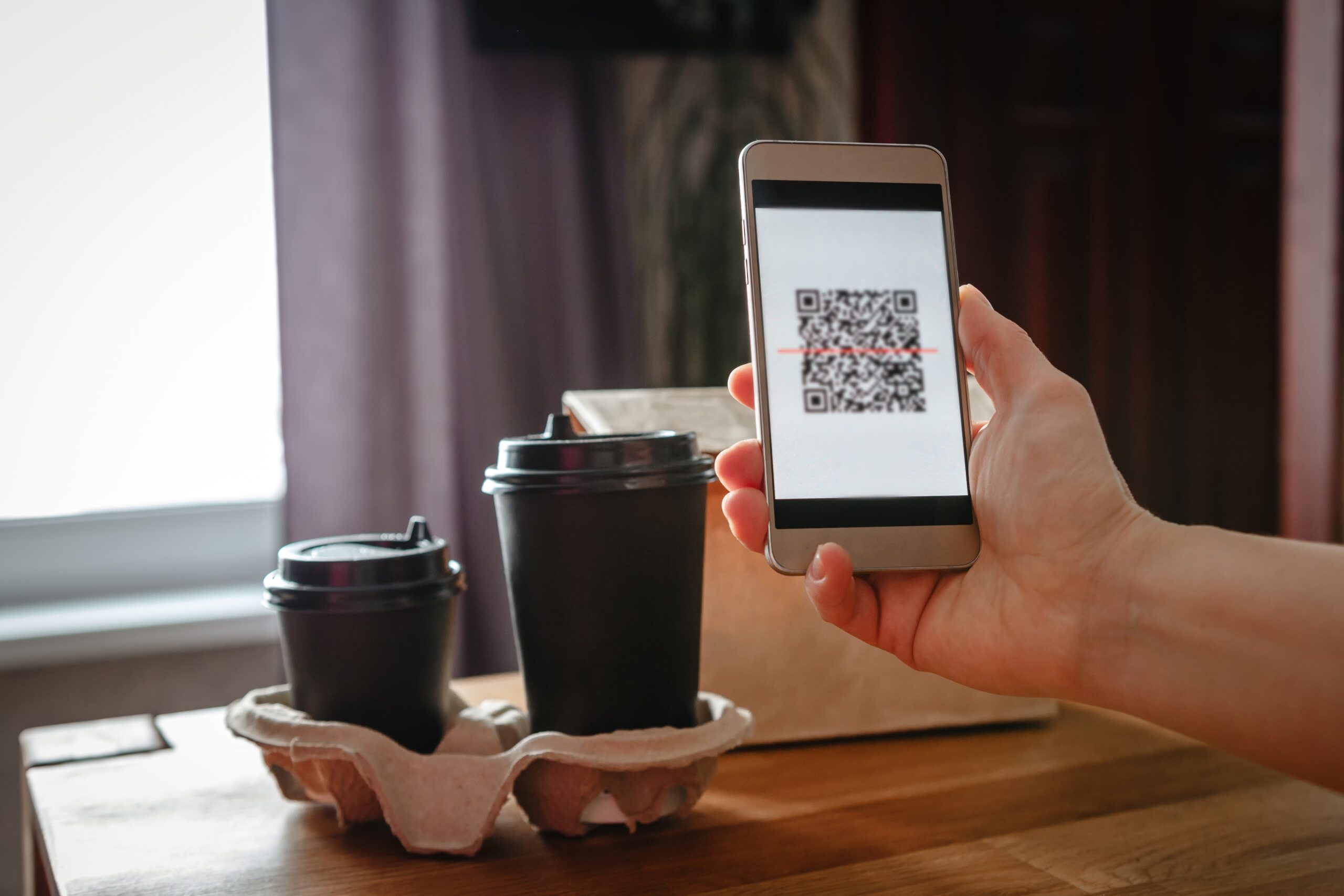
Do you want to learn more about your takeout lunch? Scan the QR Code! Two-dimensional barcodes can provide complete nutritional details, ingredients, and allergens, allowing consumers to make more informed choices. Moreover, they can connect customers to the product’s story, from its origin to the production process, increasing transparency and trust in the brand. Finally, scanning these codes can give access to special offers and discounts, boosting engagement.
NFC Technology
The NFC technology is a form of wireless communication that allows data exchange between devices that are a few centimeters apart. It can be used to interact with labels or chips embedded in food packaging. Through this technology, consumers can obtain product information dynamically, allowing easy access to the latest data. Furthermore, it improves consumer transparency and trust, enabling tracking of the product along the supply chain and providing information on packaging sustainability quickly and intuitively.
Advanced preservation technologies
To create a winning combination, however, alongside the technologies that enhance interaction with customers, advanced preservation systems are gaining ground that ensure the freshness and safety of food. For example, packaging equipped with temperature and humidity sensors is becoming increasingly common, which monitor environmental conditions and guarantee better product quality, just like nanotechnology packaging, which ensures a better barrier against oxygen, moisture, and light.
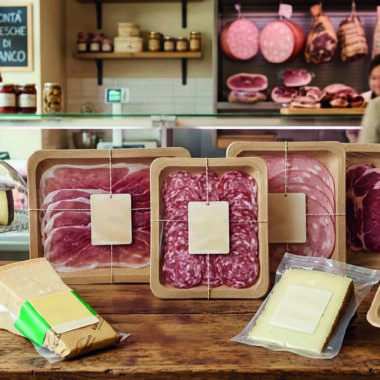
Finally, it should be mentioned the technologies that remove air from packaging (vacuum packaging) and technologies that can create a different internal atmosphere (with different gas percentages) that ensure longer preservation of fresh foods such as meat and fish.
On one hand, research and innovation in food packaging offer great opportunities; on the other hand, it is essential to avoid that these efforts are directed towards solutions that do not consider environmental impact. To avoid nullifying the progress made, it is necessary that innovation is always accompanied by a strong focus on sustainability.

Characters that make a difference: the latest typographic trends
Customization allows you to give voice to your brand. The possibilities in this field are endless, as new trends and styles succeed one another, offering designers a wide range of tools to create increasingly original and attractive packaging.
In 2024, typography exploded: bold and customized characters capture attention and communicate effectively, making your packaging a true manifesto for your business.
Among the trendiest stylistic trends in the past year, we have minimalism, which has found new life. Clarity and comprehensibility are priorities, and thanks to simple and linear characters, often paired with soft colors, designs can be created that convey a sense of elegance and refinement.
However, in addition to being clear and comprehensible, packaging must also be unique. Hand lettering is a solution that offers a personal and artisanal touch to your packaging, as it can be used to tell the story of the brand or product, creating a more engaging experience.
The charm of vintage continues to be felt even in an era increasingly dominated by technology: in 2024, packaging with characters inspired by past eras such as Art Deco or Bauhaus has become widespread.
Among the most interesting experiments are tactile typography, which uses materials like embossed paper, fabrics, or metals to create unique textures and finishes stimulating the sense of touch, and illustrated typography, which creates more dynamic and engaging packaging through various types of illustrations. Recently, for example, nature-inspired illustrations are spreading: with organic and natural shapes, such as leaves, waves, or stones, creating a relaxing and authentic atmosphere.
In conclusion
Following food packaging trends is an investment in the future of your brand! DOT Horeca Solutions transforms your needs into tailored solutions through elegant and functional packaging, carefully crafted in every detail. Choose DOT for your cutting-edge and eco-sustainable packaging supplies. The restaurant world is changing rapidly. Keep up with us!