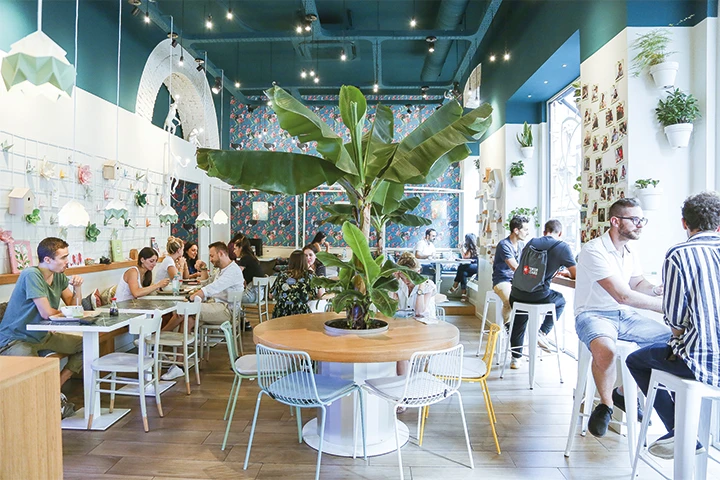
In recent years, the restaurant industry has undergone a rapid evolution. One of the most interesting and constantly growing trends is that of Fast Casual Dining, an ideal formula for cities and metropolitan areas because it manages to reconcile the need for speed of modern life with a quality dining experience. Let’s clarify a bit. When we talk about Casual Dining, we refer to “informal dining”: that middle tier that lies between traditional fast food (with an average bill around €10) and fine dining, that is, the more refined restaurants where a meal costs on average around €50 per person.

Fast Casual thus represents those establishments with moderate costs (between €15 and €30) that still maintain some typical aspects and advantages of fast dining. These are informal and trendy restaurants that offer quality dishes with selected ingredients, accompanied by quick service. Initially, this type of offering won over younger customers, often less inclined to stay long in a restaurant, but soon it also gained popularity among a more mature audience, thanks to the convenience of fast service, perfect for working lunch breaks.
In our cities, Fast Casual Dining is progressively replacing fast food; even during lunch breaks, people are increasingly preferring a slightly more expensive, but healthy and original option, instead of the classic toast or the bar salad. Today, in fact, consumers are more aware: even for quick meals, they seek healthy and quality food, paying more attention to the origin of the ingredients and the overall experience offered by the venue.

It is therefore not surprising that many successful examples in Fast Casual Dining are venues with a strong gastronomic concept and particular attention to interior design.
Some bright examples of Fast Casual come from the world of green cuisine, attentive to vegetarian, vegan or raw food diets. Think of Macha Café, a bistro chain born in Milan and recently arrived in Turin, which offers healthy dishes with Japanese influences, or Pescaria, with locations in Rome and Milan, which proposes a menu of fish sandwiches, fried foods and raw seafood specialties.

Pasta, pizza, and pastries are not immune to this trend: just think of the success of formats like Miscusi or Berberé.
Finally, Fast Casual is thriving with fusion solutions or Eastern-inspired offerings. A successful example is the chain Temakinho, present in 8 Italian cities and abroad, which combines Japanese cuisine with typical ingredients from Brazilian culinary tradition.