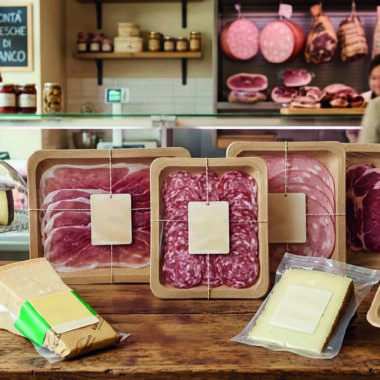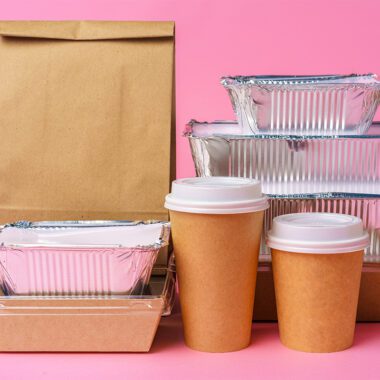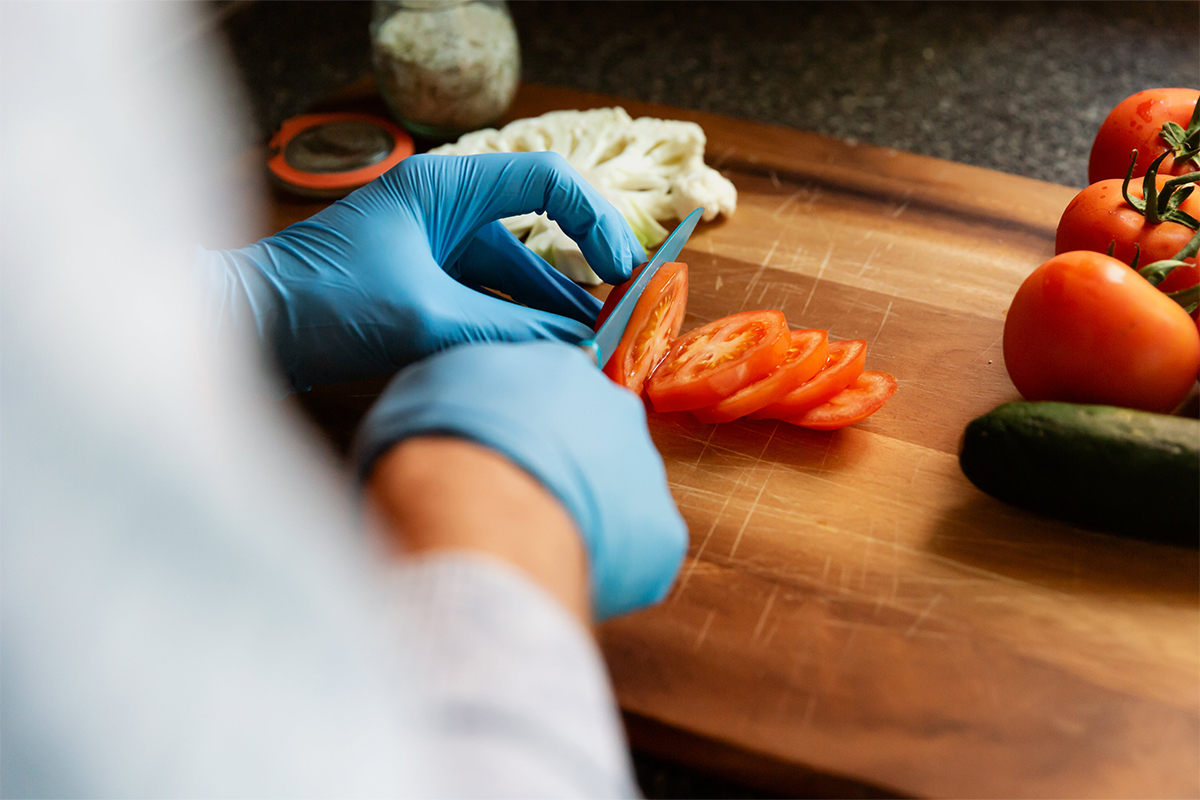
When it comes to storing and serving food, the choice of containers is fundamental to ensure food safety. In addition to preserving food quality, the materials used for packaging must be health safe and, increasingly, also sustainable. But what are the criteria that determine the suitability of a container for food contact?
Let’s discover together the essential characteristics and processing processes that ensure food safety.

Health protection at the center: the essential requirements of MOCA
The Materials and Objects in Contact with Food (MOCA) encompass a wide range of products that, by definition, come into contact with food during the food supply chain. This category includes materials such as plastic, paper, cardboard, metal, glass, ceramics and compostable materials, as well as equipment for food processing, such as coffee machines, juicers, cutlery, plates, and glasses.
The main regulation that establishes safety criteria for MOCA is the EC Regulation No. 1935/2004, which imposes specific hygiene parameters that operators in the sector must comply with. According to this regulation, materials must be produced in such a way as to not transfer components to food in quantities that would pose a risk to human health. Furthermore, they must not alter the taste, odor, or appearance of the foods they come into contact with. Manufacturers are required to follow strict manufacturing practices established by EC Regulation No. 2023/2006, ensuring traceability throughout the supply chain. They must also provide a declaration of conformity to certify that the materials comply with current regulations, accompanied by adequate information for correct use by end users.
To ensure compliance with these parameters, materials undergo compliance testing and detailed documentation certifying their safety. This commitment is essential to guarantee that products used in catering and food preservation are free from health risks.
The right choice for your kitchen: materials compared
In everyday life, food comes into contact with a wide variety of materials, each with different characteristics and potential impacts. Among the safest and most commonly used options in the kitchen is stainless steel, valued for its resistance to corrosion, impacts, and high temperatures. This material does not react with acidic or alkaline foods and is easily sterilizable, making it ideal for pots, utensils, and containers.
Another excellent choice is glass, especially borosilicate glass, which stands out for its resistance to heat and thermal shock. It does not release chemicals into food and does not absorb odors or colors, keeping food unchanged over time. It is particularly suitable for containers, crockery, and cooking utensils.
Food-grade plastic is widely used for its practicality and lightness, but the environmental impact of this material has led to the search for more sustainable alternatives. Bioplastics, made from renewable materials, provide an eco-friendly and safe solution, designed to degrade relatively quickly without releasing toxic substances such as phthalates and BPA. Even paper and cardboard, if properly treated, represent valid sustainable alternatives, ensuring food preservation without compromising safety.
Among the innovative materials stands out food-grade silicone, appreciated for its flexibility, thermal resistance, and ease of cleaning. This material does not release toxic substances and does not absorb bacteria or odors, making it ideal for baking molds, kitchen utensils, and reusable containers.
On the other hand, some materials present criticisms that discourage their use in contact with food. Polyvinyl chloride (PVC) and polystyrene contain potentially harmful substances such as phthalates and styrene, which can migrate into food, especially when in contact with hot or fatty foods. Polycarbonate is also highly discouraged, as it contains BPA, an endocrine disruptor that can alter metabolism and hormonal balance.
Glass, while being an excellent choice in its transparent and borosilicate version, can contain lead or other heavy metals if decorated or colored, posing a potential health risk. Also, ceramics and porcelain, if glazed with toxic substances, can release contaminants into foods.
Finally, it is important to emphasize that even generally safe materials can become harmful if not properly processed. Paper and cardboard, for example, can be treated with chemical inks and glues that could migrate into food. Moreover, composite materials, such as combinations of paper and plastic, are particularly complex to control and certify.
The choice of materials for the preservation and service of food is not just an aesthetic or convenience issue, but has a direct impact on food safety. Being informed about MOCA, current regulations, and the safest materials allows for conscious choices, protecting one’s health and that of customers. DOT Horeca Solutions, with its wide range of packaging solutions, is the ideal partner for all businesses in the hospitality and catering sector that want to ensure quality and safety in an increasingly health-conscious and sustainable market.