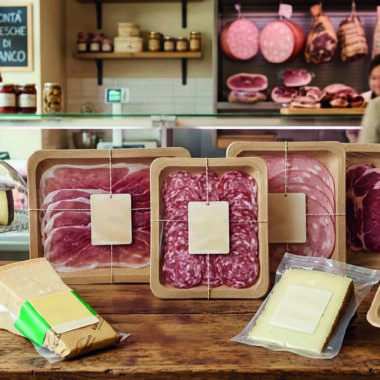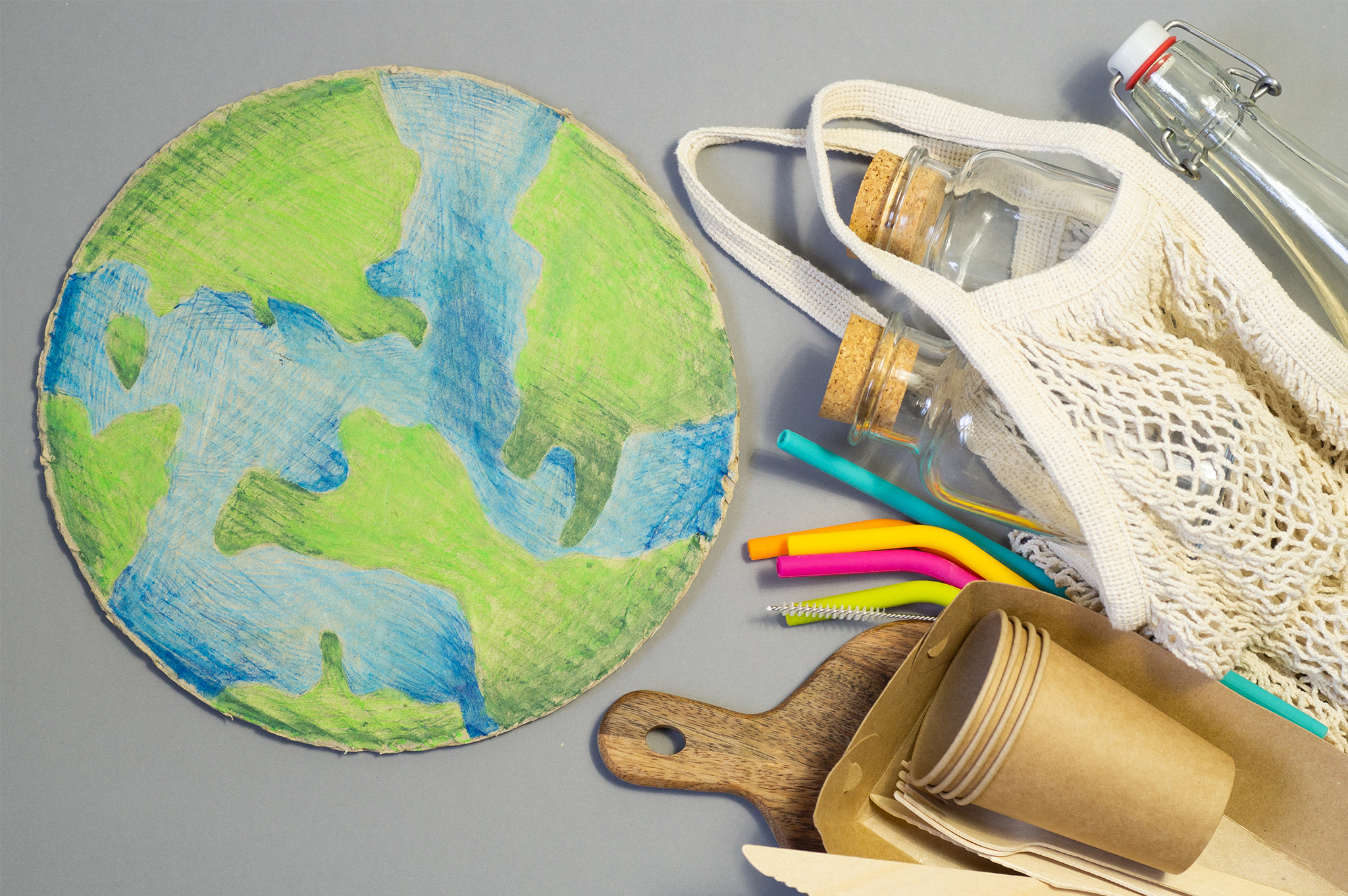
The use of eco-friendly materials is not only a beneficial choice to reduce environmental impact, but also represents an effective alternative for optimal food preservation. After an initial period of skepticism, it has been shown that eco-friendly and recyclable materials pose no greater risks than traditional ones. Over time, the food packaging sector has undergone a true revolution, leading to the creation of various types of sustainable packaging, designed to meet the specific needs of different foods.
The main sustainable materials:
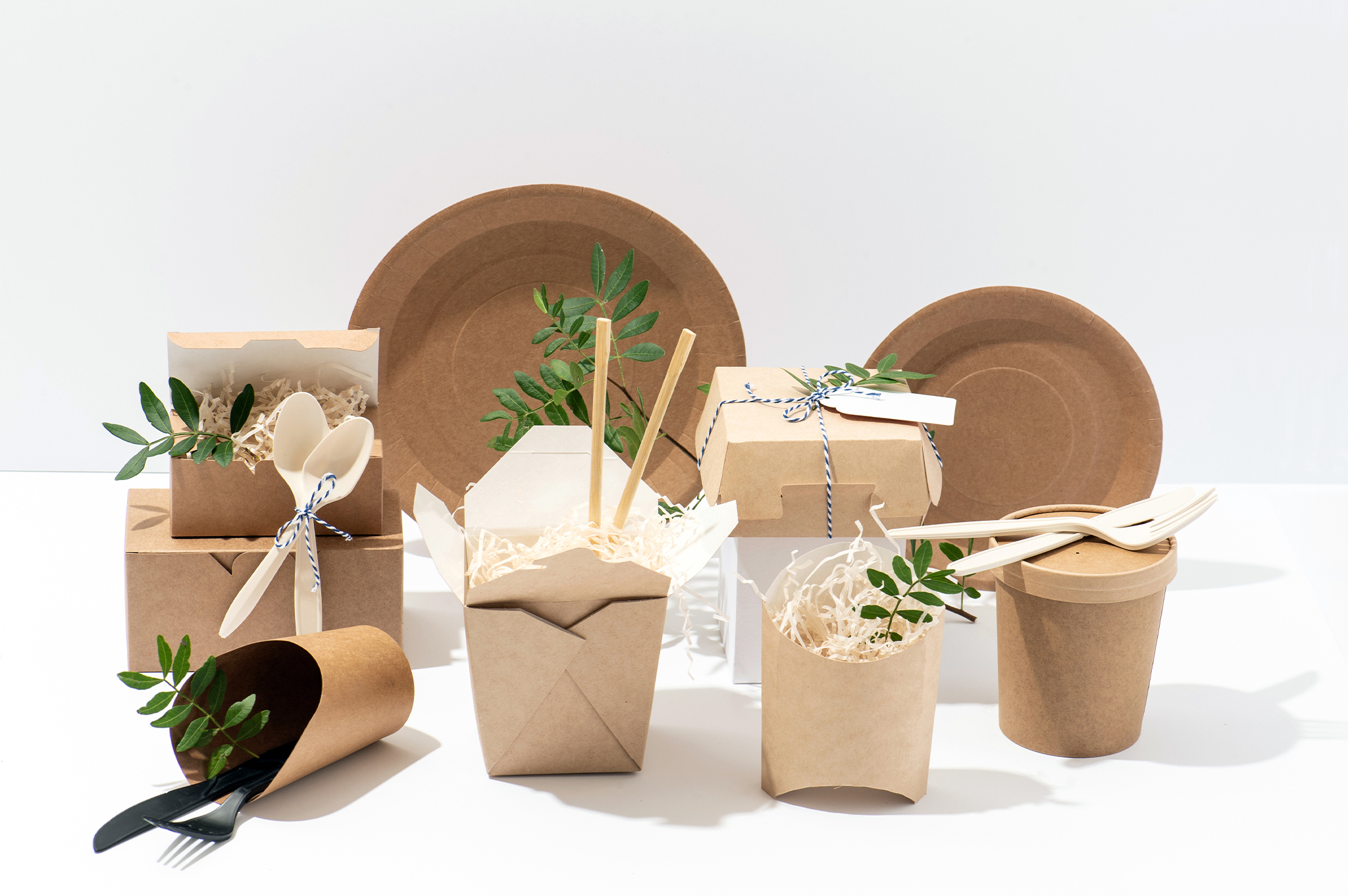
Paper packaging
Biodegradable, compostable, and economical, paper packaging represents an excellent solution for food delivery. Particularly suitable for dry products like cookies, bread, snacks, cereals, and pasta, it is now also used for fatty foods, thanks to special hot-laminated pure cellulose sheets that ensure high resistance to grease and fat.
Bioplastic (PLA) packaging
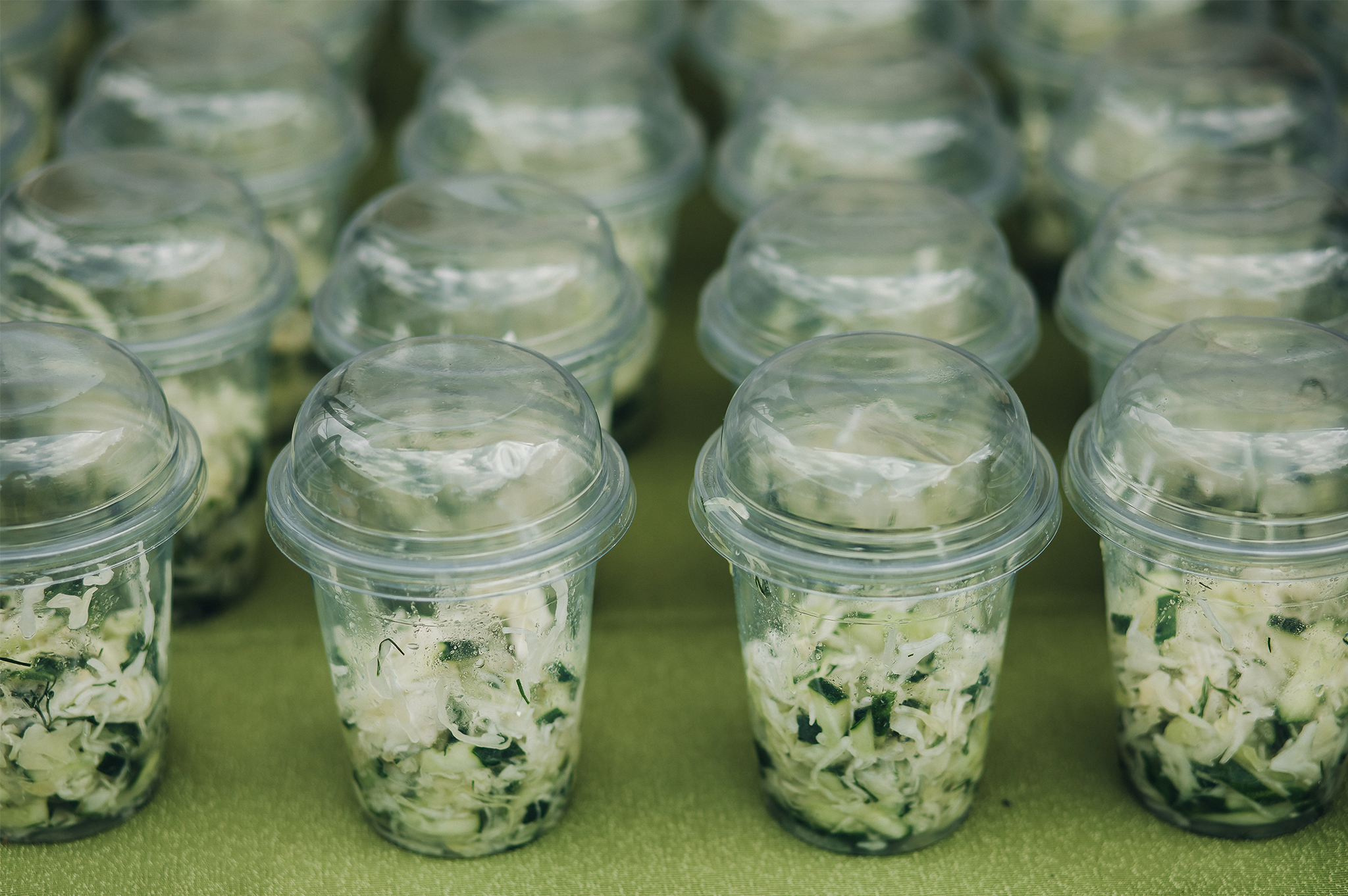
Sustainable, versatile, and ecological, bioplastic (PLA) is derived from renewable sources such as corn starch, sugarcane, or cellulose. This material is particularly suitable for fruits, vegetables, fresh foods, yogurt, sauces, and ready meals. PLA offers a good barrier against moisture, oxygen, and light, helping to maintain the freshness of foods. It is also used to create compostable plates and cups.
Bagasse packaging
Heat-resistant, lightweight, and durable, bagasse packaging is made from the processing of sugarcane. It is ideal for hot foods, such as soups, stews, and takeout foods. Additionally, its lightweight nature facilitates transport and helps reduce shipping costs, making it a beneficial choice for both the environment and business.
Wood packaging
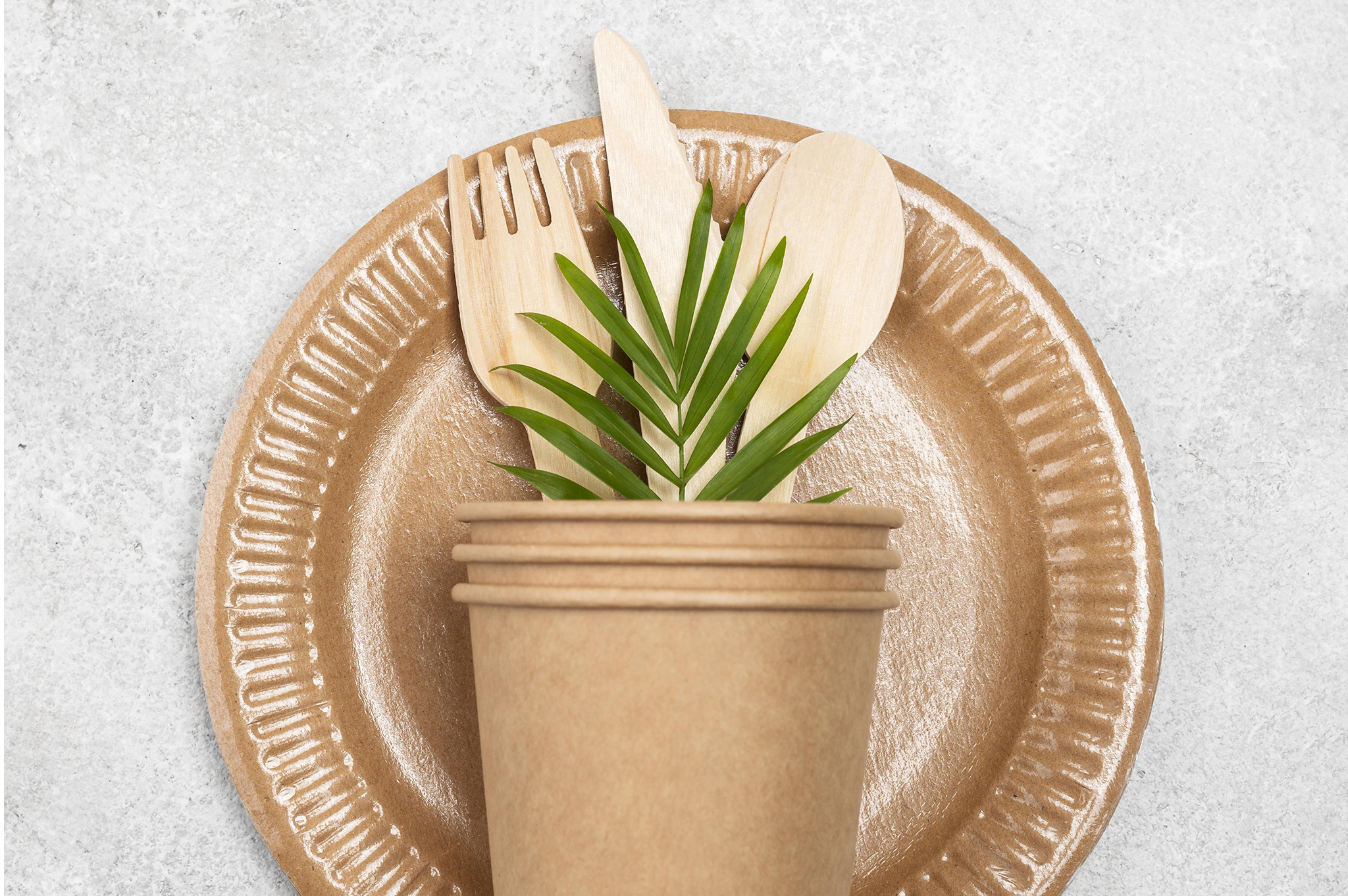
Sturdy, natural, and elegant, wood packaging is particularly suitable for the production of cutlery. However, for food preservation, it has raised some concerns, as wood is a porous material that is more exposed to bacteria and external agents. For this reason, its use is mainly recommended for single-use tableware and secondary packaging.
Bamboo packaging
Renewable, strong, and antibacterial, bamboo is a natural material with an elegant appearance, enhancing the presentation of products. It is used for the production of single-use tableware, sushi containers, and some types of beverage packaging. Thanks to its antibacterial properties, it is a particularly suitable choice for the food industry.
Choosing sustainable packaging: an advantage for your business
Choosing sustainable containers is a fundamental step in combining profit and sustainability. By using eco-friendly materials, you can reduce waste, save energy, and improve your brand’s image. Sustainability is not just a trend, but a strategic choice for long-term success.
Rely on DOT Horeca Solutions for your eco-sustainable packaging supplies: together we can reduce environmental impact and ensure that your products are packaged safely and sustainably!