Food packaging plays a crucial role in the life of a food product, as it is what attracts the consumer’s attention and determines the purchase.
Therefore, designing customized food packaging for your food brand is an important challenge for companies that want to increase conversion and the success of their product.
To design customized food packaging, companies must consider multiple factors, including food safety, practicality, and visual impact. Here are some tips for designing food packaging that increases the conversion of your food brand.
1. Meet consumer needs: Food packaging must meet consumer needs, which include food safety, practicality, and durability. For example, if the food product is intended for children, the packaging must be easy to open and safe for use. If the food product needs to be stored for a long time, the packaging must be durable and equipped with an airtight closure system.
2. Attract attention with an eye-catching design: The design of food packaging should be attractive and stand out from the competition. The design should communicate the brand’s message and the quality of the food product. For example, if the food product is organic, the packaging should include green and natural elements to convey the message of quality and safety.
3. Use colors and fonts consistent with the brand: The colors and fonts used in food packaging should be consistent with the brand and the product’s message. For example, if the brand is elegant and sophisticated, the colors used should be shades of gray and the font should be modern and refined.
4. Include detailed product information: Food packaging must include detailed product information, such as the ingredient list, usage instructions, and nutritional information. This information is important for consumers who want to know the quality and composition of the food product.
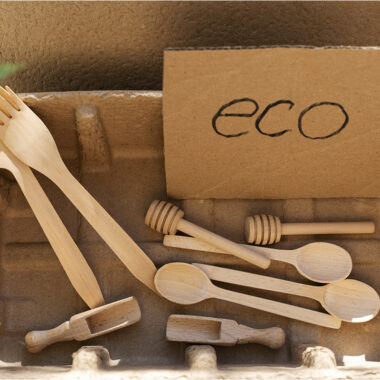
5. Choose sustainable and eco-friendly materials: Food packaging must be sustainable and eco-friendly, as consumers are increasingly aware of their purchasing choices and seek to reduce their environmental impact. Materials like recycled cardboard, recycled glass, and biodegradable material are eco-friendly choices that can attract environmentally conscious consumers. Additionally, using sustainable materials can also improve the brand’s perception among consumers, as it demonstrates a commitment to sustainability and environmental responsibility.
6. Test the packaging: Before launching the customized food packaging, it is important to test it to verify its effectiveness. For example, you can ask consumers to evaluate the design, practicality, and durability of the packaging. These feedbacks can help identify any issues and further improve the packaging before market launch.
7. Regularly update the packaging: The market and consumer tastes may change over time, so it is important to keep the customized food packaging current and suitable. For example, if consumers start preferring more sustainable products, it may be necessary to modify the packaging to meet these needs.
In summary, designing customized food packaging is an important process to increase the conversion of your food brand.
There are multiple factors to consider, such as food safety, eye-catching design, product information, and the choice of sustainable materials.
Designing customized food packaging that meets consumer needs and differentiates your product from the competition can increase sales and customer loyalty.