Custom packaging has become a crucial element for companies looking to stand out in a competitive market. This guide will explore the various facets of packaging customization, offering insights and strategies to enhance the customer experience and strengthen brand identity. We will discover how to create unique and sustainable packaging, suitable for both traditional retail and e-commerce, always keeping in mind the importance of respecting the environment.
What is Customized Packaging
Definition and Importance
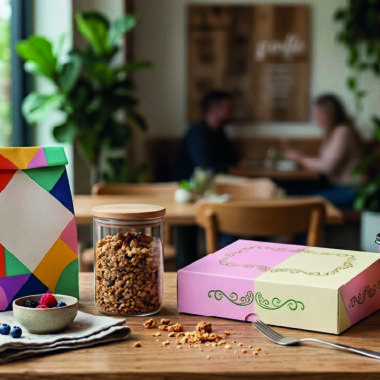
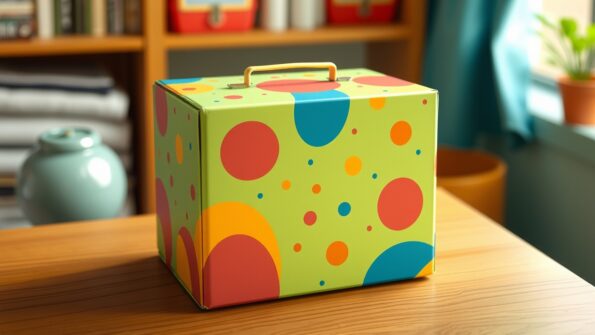
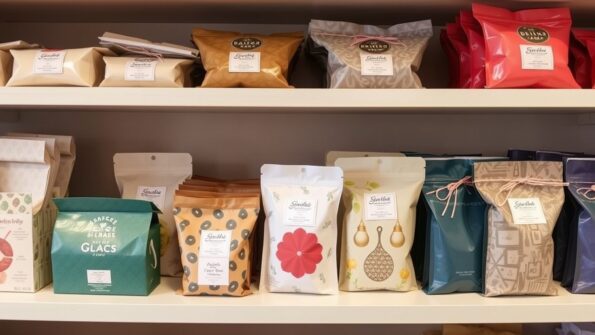
Customized packaging refers to the process of creating tailored packaging that reflects a brand’s identity and values, going beyond the simple function of protecting products. Packaging customization allows companies to stand out from the competition, capture consumers’ attention, and enhance the shopping experience. The use of digital printing for packaging makes the process flexible and adaptable even for small runs, allowing for the creation of unique and effective custom boxes.
Types of Customized Packaging
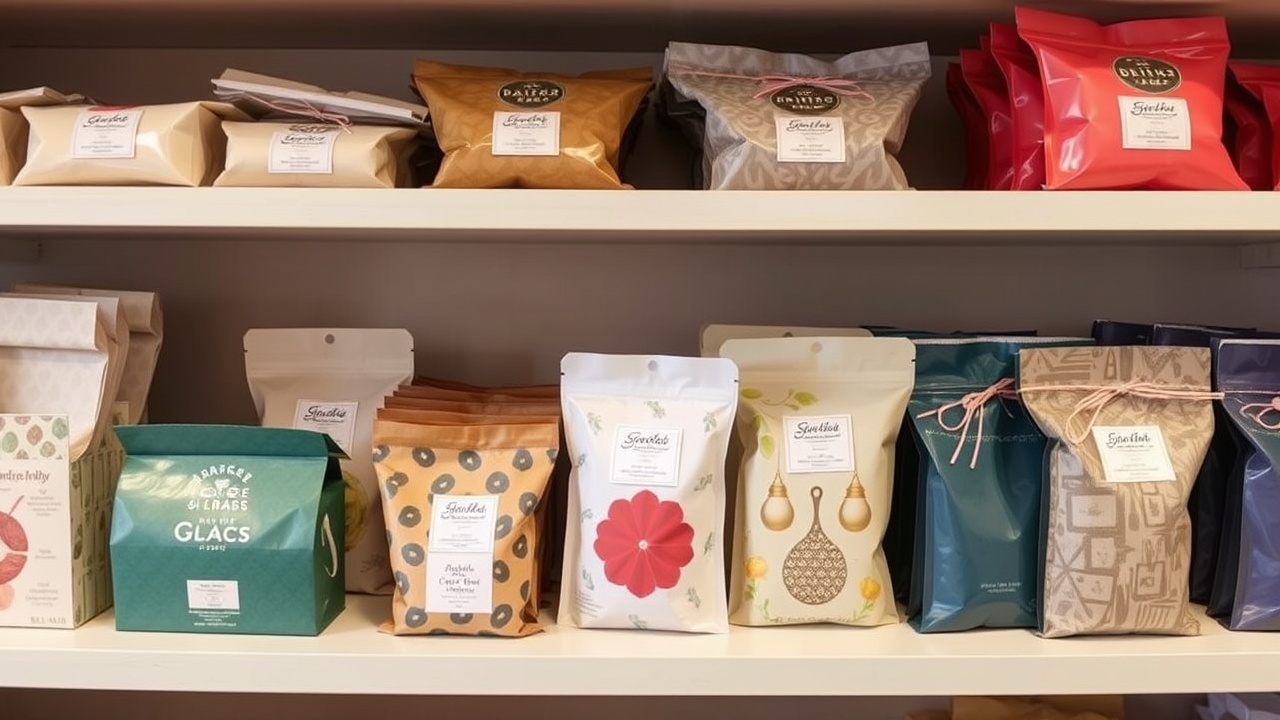
There are different types of customized packaging that vary depending on the product, budget, and marketing goals. To achieve unique packaging that aligns with their brand, various elements can be customized, such as:
- Boxes, labels, and bags.
- Materials, colors, designs, and finishes.
The choice of material is crucial, especially with the growing focus on sustainability; opting for recyclable or biodegradable materials is an excellent way to reduce the environmental impact of packaging. Companies can thus customize the packaging, using personalized packaging, and convey a message of social responsibility.
The Role of E-commerce
In e-commerce, customized packaging takes on even greater importance. It often represents the first physical contact that the consumer has with the brand, greatly influencing perception and satisfaction. Creating memorable custom packaging can enhance the customer experience, increase customer loyalty, and encourage positive word-of-mouth. Digital packaging plays a key role, allowing for the customization of even small runs in a cost-effective and quick manner. The future of packaging is inevitably linked to customization and sustainability, with an eye toward the specific needs of e-commerce and the push for sustainability.
Digital Printing in Packaging
Advantages of Digital Printing
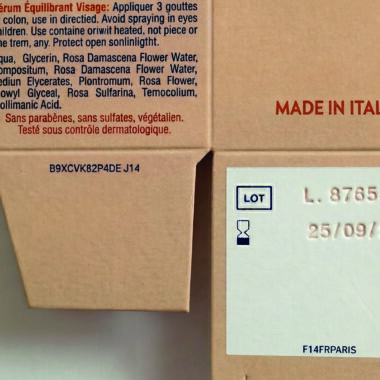
Digital printing in packaging offers numerous advantages, including the ability to customize packages with variable data, such as names or unique codes, making each packaging unique. This flexibility is particularly useful for targeted marketing campaigns. Additionally, digital printing eliminates the need to create plates, reducing costs and production times, especially for small runs. Companies can leverage digital printing to customize packaging, respond quickly to market demands, and enhance the customer experience.
Comparison between Digital and Offset Printing
Digital printing and offset printing are two widely used printing technologies in the packaging sector, but they differ significantly in processes and applications. Offset printing is ideal for large runs due to its lower unit costs, while digital printing excels in customization and small runs, where setup costs are minimal. The choice between the two depends on the specific needs of the project, considering factors such as volume, level of customization, and budget. Companies must balance the advantages of each technology to create more effective packaging and strengthen brand identity.
Applications of Digital Printing in Packaging
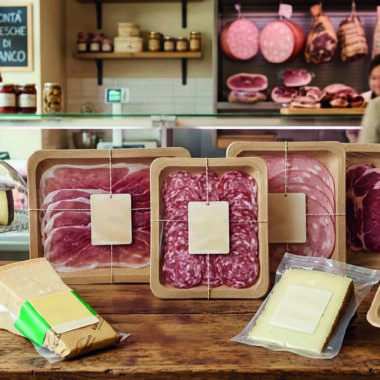
The applications of digital printing in packaging are continuously expanding, ranging from custom labels for beverages to boxes with variable graphics for food products. Thanks to its ability to handle small runs and customizations, digital printing is ideal for packaging seasonal or promotional products, allowing companies to quickly react to market trends and capture consumer attention. Packaging customization through digital printing not only enhances the aesthetic appeal of the product but also the effectiveness of marketing campaigns and the shopping experience.
Packaging Customization and Sustainability

Sustainable Packaging: What Does It Mean?
Sustainable packaging refers to the design and production of packaging that minimizes environmental impact throughout its entire life cycle, from production to disposal. This includes using recycled, biodegradable, or renewable materials, reducing the volume and weight of packaging, and optimizing recycling processes. Sustainable packaging not only respects the environment but can also improve brand image and attract conscious consumers. Companies can reduce environmental impact by adopting sustainable practices toward sustainability.
Customization and Sustainability
Packaging customization can be integrated with sustainability through various strategies. Using eco-friendly inks, minimizing material waste during the printing process, and choosing recycled or biodegradable materials are just some of the options. Digital printing for packaging, with its ability to handle small runs and customizations, helps reduce excess packaging and promote a more responsible approach to the environment. Balancing customization and sustainability is crucial to creating packaging that is effective from a marketing standpoint and respectful of the environment.
Sustainable Materials for Packaging
There are numerous sustainable materials for packaging. The choice of material depends on the specific needs of the product and brand, but the goal is always to minimize environmental impact. The use of sustainable materials not only helps protect the environment but can also improve brand perception among consumers, increasing customer loyalty and strengthening brand identity. Some examples are:
| Material | Characteristics |
| Recycled paper | Sustainable |
| Bioplastics | Derived from renewable sources like corn or sugarcane |
Strategies for Customizing Packaging

How to Stand Out from the Competition
To stand out from the competition, it is essential that the customized packaging reflects uniqueness and originality. The customization of packaging must go beyond aesthetics, communicating the brand’s values and creating a memorable experience for the consumer. Using distinctive elements, such as unusual shapes or special finishes, can capture attention and strengthen brand identity, making the product recognizable and desirable, greatly improving the shopping experience.
Small Runs and Customization
Digital printing offers the possibility to customize small runs of packaging, making the customization of packaging accessible even for companies with limited budgets. This flexibility allows for the creation of packages tailored for limited editions, special events or market tests. Customization in small runs enables more targeted packaging customization, responding to the specific needs of the consumer and creating a stronger bond with the brand.
Using Online Shops for Customization
Online shops offer intuitive platforms for customizing packaging, allowing customers to choose designs, colors, and materials quickly and easily. These online tools facilitate the creation of custom boxes and customized packaging, making the process accessible to all. Integration with digital printing allows for even small runs at low costs, offering a wide range of options to customize packaging and enhance the customer experience.
The Future of Customized Packaging
Trends and Innovations
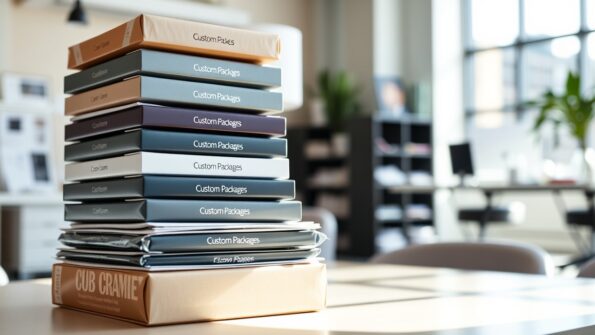
The future of packaging is oriented toward sustainability and technological innovation. New trends include the use of biodegradable and compostable materials, reducing waste, and integrating interactive elements, such as QR codes or augmented reality. These innovations aim to reduce environmental impact, protect products, and enhance the customer experience, making packaging more functional and engaging, fostering customer loyalty.
The Role of Technology in Customization
Technology plays a key role in packaging customization, allowing for the creation of unique and effective customized packaging. Digital printing for packaging enables customizing packages with variable data, such as names or personalized messages, making each packaging unique and special. Artificial intelligence and data analysis can be used to optimize the design and communication of packaging, enhancing the effectiveness of marketing campaigns and capturing consumers’ attention.
Forecasts for the Packaging Sector
Forecasts for the packaging sector indicate continuous growth in the demand for sustainable and customized solutions. E-commerce will continue to drive innovation in the sector, focusing on creating packaging that is functional, protective, and attractive. The customization of packaging will become increasingly important to stand out from the competition, strengthen brand identity, and create a memorable experience for the consumer, all while respecting the environment.