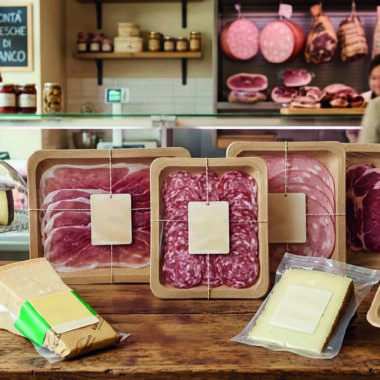
The world is changing, and packaging must evolve as well. Plastic, long the most used material, is now giving way to a more ecological alternative: paper. Choosing eco-friendly materials is not just an aesthetic or functional issue, but also an ethical choice that reflects a concrete commitment to sustainability. Discover why sustainable packaging is the future!
Index
- Ecosystem in collapse: negative effects of plastic on the environment.
- European and Italian guidelines regarding the reduction of plastic use
- Why choose paper? The benefits for the environment and more.
Ecosystem in collapse: negative effects of plastic on the environment
Have you ever thought about the consequences of excessive plastic use in our ecosystem? Although plastic has been a material that revolutionized our way of life and has offered many advantages, it currently also presents negative aspects that are becoming increasingly evident and worrying.
According to a study by the Ellen MacArthur Foundation, 95% of the value of plastic packaging material is lost after a brief first use. Furthermore, only 14% of plastic packaging is collected for recycling. Taking into account value losses due to sorting and reprocessing, only 5% of the material value is retained for subsequent use, often ending up in lower value products.
Finally, plastic is a material that is heavily dependent on fossil fuels: over 90% of it comes from oil (consuming 20% of global oil). This means that it will soon contribute to the depletion of a precious non-renewable resource. This data helps us understand how our dependence on plastic is a problem to be addressed immediately, seeking sustainable alternative solutions for the ecosystem through practices for daily use.

European and Italian guidelines regarding the reduction of plastic use
In the face of this emergency and these alarming data, the European Union has set the goal of establishing a series of regulations to limit the use of such polluting and dangerous material for our ecosystem.
The Directive (EU) 2019/904 on reducing the incidence of certain plastic products on the environment is the fundamental pillar of the European strategy to combat plastic. Among the measures listed in this directive we find:
- Absolute ban on the marketing of products such as straws, plates, cutlery, cotton swabs, polystyrene containers
- Obligation to reduce consumption and promote separate collection for products such as food containers and bottles.
- Collection target of 90% for recycling of single-use plastic bottles by 2029. The material used to produce these bottles should consist of at least 25% recycled plastic starting from 2025 and 30% starting from 2030.
- Increase in awareness-raising measures, by member states, to inform consumers and encourage responsible behavior.
Italy is also taking steps to say no to plastic. With the institutional campaign #IoSonoAmbiente, the Ministry of the Environment has launched a movement to raise awareness and promote the ban on single-use plastic, inviting citizens to collect and dispose of plastic found on beaches in separate recycling bins. Additionally, other initiatives have been introduced, such as the plastic tax: a tax on plastic products, aimed at discouraging their use and financing recycling and recovery projects.

Why choose paper? The benefits for the environment and more
The use of eco-friendly materials is an opportunity to create a more sustainable production system. Paper has emerged as a valid green and plastic-free alternative, revolutionizing the packaging world and offering a winning combination of environmental, economic, and practical advantages, making it an increasingly popular choice:
- Sustainability
- Recyclability and biodegradability
- Customizable
- Simplification and optimization of the packaging system
Sustainability
The use of paper is based on an eco-compatible life cycle as, unlike plastic, it comes from a renewable source: virgin forests. Some organizations, such as FSC and PEFC, have established regulations to preserve this resource: one of these consists of planting more trees than are cut down. This way it is possible to create an almost infinite source of raw material.
Recyclability and biodegradability
Another advantage of paper is that it is recyclable. Thanks to this essential feature, the need to cut new trees, the amount of waste in landfills, and CO2 emissions are reduced. In addition to providing environmental benefits, this property of paper also ensures numerous economic benefits: more and more companies are specializing in paper recycling, creating new jobs. Finally, the recycling of paper lowers production costs, reducing the need to purchase new paper.
Customizable
Paper is an excellent support for marketing strategies, as it is easily customizable with prints, designs, texts, and other elements that contribute to making your packaging unique. This also enhances the customer’s experience, giving them a positive impression of the product, of your brand’s values, and of the methods of use.
DOT Horeca Solutions provides high-profile services in this sector, always aimed at complete customer satisfaction. From stiff cardboard to microwave, from bagasse to wood, from PET to PLA; we customize all items with your brand, presenting your take away in the best possible way.
Simplification and optimization of the packaging system
Although it may seem fragile and light, thanks to the combinations in multilayer cardboard, today paper is one of the most durable materials available in the packaging world, ensuring excellent preservation and protection of products. Finally, paper packaging is simpler to assemble and disassemble, which simplifies logistics and storage phases.
In conclusion, it is essential that the sector continues to innovate, seeking more ecological solutions and promoting practices of reduction and reuse. Choosing DOT for your eco-sustainable packaging supply means investing in a greener and more responsible future: together, we can reduce the environmental impact and ensure that your products are packaged safely and sustainably!